
Andalusite
Andalusite is known for its natural pleochroism, grounding energy, and connection to balance, perspective, and self-awareness. Traditionally associated with protection, inner alignment, and clear perception, this gemstone is often valued as a supportive stone for staying centered while seeing situations from different angles.
Main Energy
Grounding, balance, inner strength
Chakra
Solar Plexus and Root
Element
Earth
Family
Silicate / Nesosilicate
Hardness
6.5–7.5 on the Mohs scale
In This Guide
Formation
Andalusite forms within metamorphic rocks, where clay-rich or aluminum-rich material is gradually changed by natural heat and pressure beneath the Earth’s surface. Over long periods of time, this process allows Andalusite crystals to develop.
It is especially linked to low-pressure metamorphic environments, including areas where surrounding rock has been changed by heat from nearby molten rock.
Colors
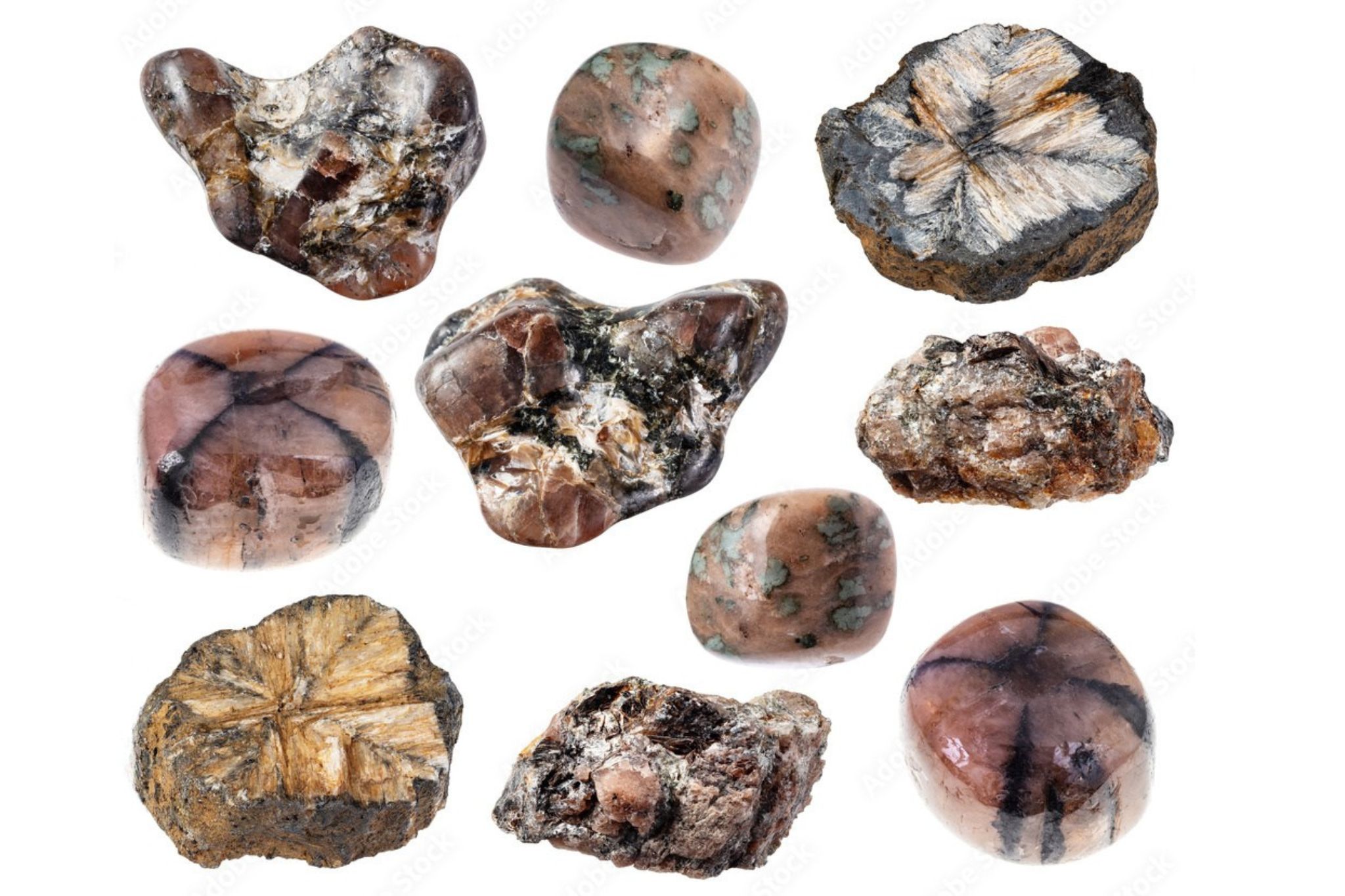
Most often seen in earthy brown, brownish-green, olive, yellow-brown, and reddish-brown tones, Andalusite has a distinctive appearance shaped by strong pleochroism. This means the same stone can show different colors from different viewing angles.
When cut or polished, these colors often appear blended together, usually showing warm combinations of brown, green, yellow, olive, and red-brown shades. Less commonly, Andalusite may also occur in gray, white, pinkish, violet, or more distinctly green tones.
Origin
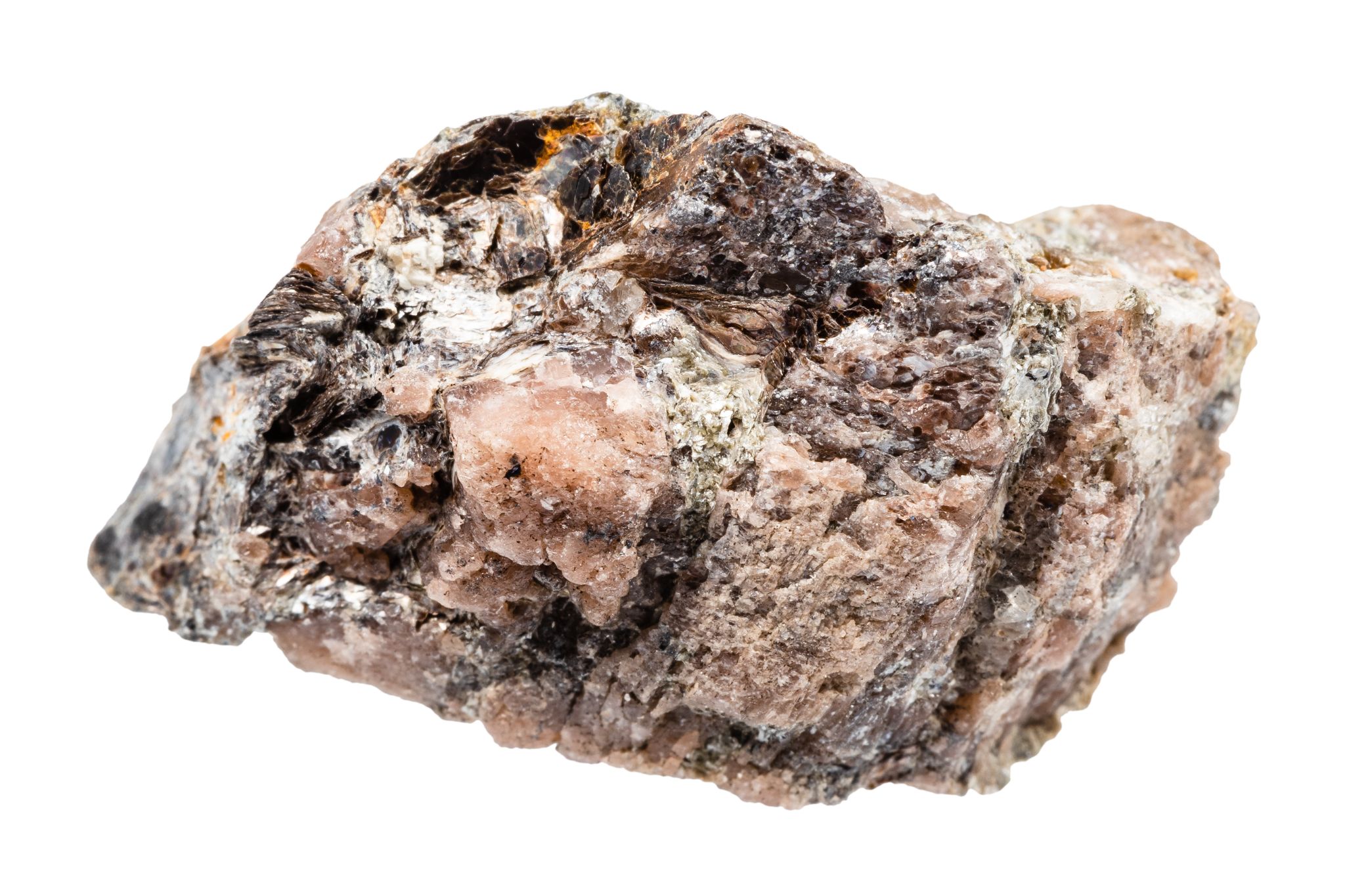
Andalusite is found in several regions around the world, with different sources known for different types of material. South Africa is one of the leading sources of industrial-grade Andalusite, mainly used for heat-resistant refractory materials, while Brazil and Sri Lanka are more strongly associated with gem-quality Andalusite.
Other known sources include Spain, Australia, France, Russia, China, Canada, and the United States. Because Andalusite appears in both industrial deposits and gemstone-quality material, its origin is often described differently depending on whether the source is discussing mining, mineral specimens, or jewelry-grade stones.
History & Modern Use
Andalusite became known through mineralogy, gem collecting, and later jewelry use, especially because of its strong pleochroism — the ability to show different colors from different viewing angles. The mineral was named in 1798 by Jean-Claude Delamétherie after Andalusia, Spain, although later sources suggest the original specimens may not have actually come from Andalusia.
One of its most recognizable forms is Chiastolite, an opaque variety of Andalusite known for its natural dark cross-like pattern, often called the “cross stone.”
In jewelry, Andalusite is admired for its earthy green, reddish-brown, and yellow to orange-yellow tones. Because of this unusual color behavior, it has sometimes been called “poor man’s Alexandrite,” although it has its own distinct look and does not show true Alexandrite-style color change.
Beyond jewelry and collector stones, Andalusite also has an important industrial use. Due to its alumina content and high-temperature stability, it is widely used in refractory materials for steelmaking, glass production, ceramics, kilns, and other heat-resistant applications.
Spiritual & Emotional Properties
Andalusite is associated with grounding, protection, self-awareness, and balanced perspective. Its shifting colors reflect the ability to see beyond one fixed viewpoint, making it a meaningful stone for clarity, reflection, and inner alignment. Many use it as a supportive stone for staying centered during change, strengthening emotional resilience, and deepening self-understanding.
Grounding
Supports a steady, centered energy and helps maintain emotional balance during uncertain or changing situations.
Protection
Often used as a protective stone for creating energetic stability and helping shield against heavy or disruptive influences.
Clear Communication
Encourages seeing situations from different angles, making it useful for reflection, awareness, and more balanced decision-making.
Self-Realization
Associated with inner alignment, honest self-reflection, and recognizing one’s path with greater clarity and confidence.
Emotional Balance
Helps bring calm, steadiness, and harmony when emotions feel scattered, conflicted, or difficult to organize.
Resilience
Supports adaptability, inner strength, and the ability to move through personal transformation with greater stability.
Traditional Wellness Associations
Disclaimer: The following information is based on traditional crystal practices and metaphysical associations. It is not medical advice, diagnosis, or treatment, and should not replace professional healthcare. Crystals may be used as a symbolic or complementary support practice, but they should never be used as a substitute for medical care.
Joint & Muscle Comfort
Andalusite is traditionally associated with easing physical tension, especially around the joints, muscles, and areas of stiffness held in the body.
Inflammation Support
In crystal healing traditions, Andalusite is often linked with soothing inflammatory discomfort, including themes connected with arthritis, gout, rheumatism, and joint swelling.
Nervous System Calm
Andalusite is commonly used as a grounding stone for calming excess energy, supporting the body when it feels tense, overstimulated, or energetically overloaded.
Sleep & Rest
Traditionally connected with physical balance and nervous-system ease, Andalusite is sometimes used to support restful sleep and a more settled body rhythm.
Eyes & Visual Strain
Some crystal sources associate Andalusite with eye comfort and visual strain, especially when the body feels stressed or overstimulated by screens and focused work.
Detox & Vitality
Andalusite is sometimes connected with energetic cleansing, detox support, and renewed vitality, helping the body feel more balanced, grounded, and restored.
How to Use Andalusite
Daily Carry
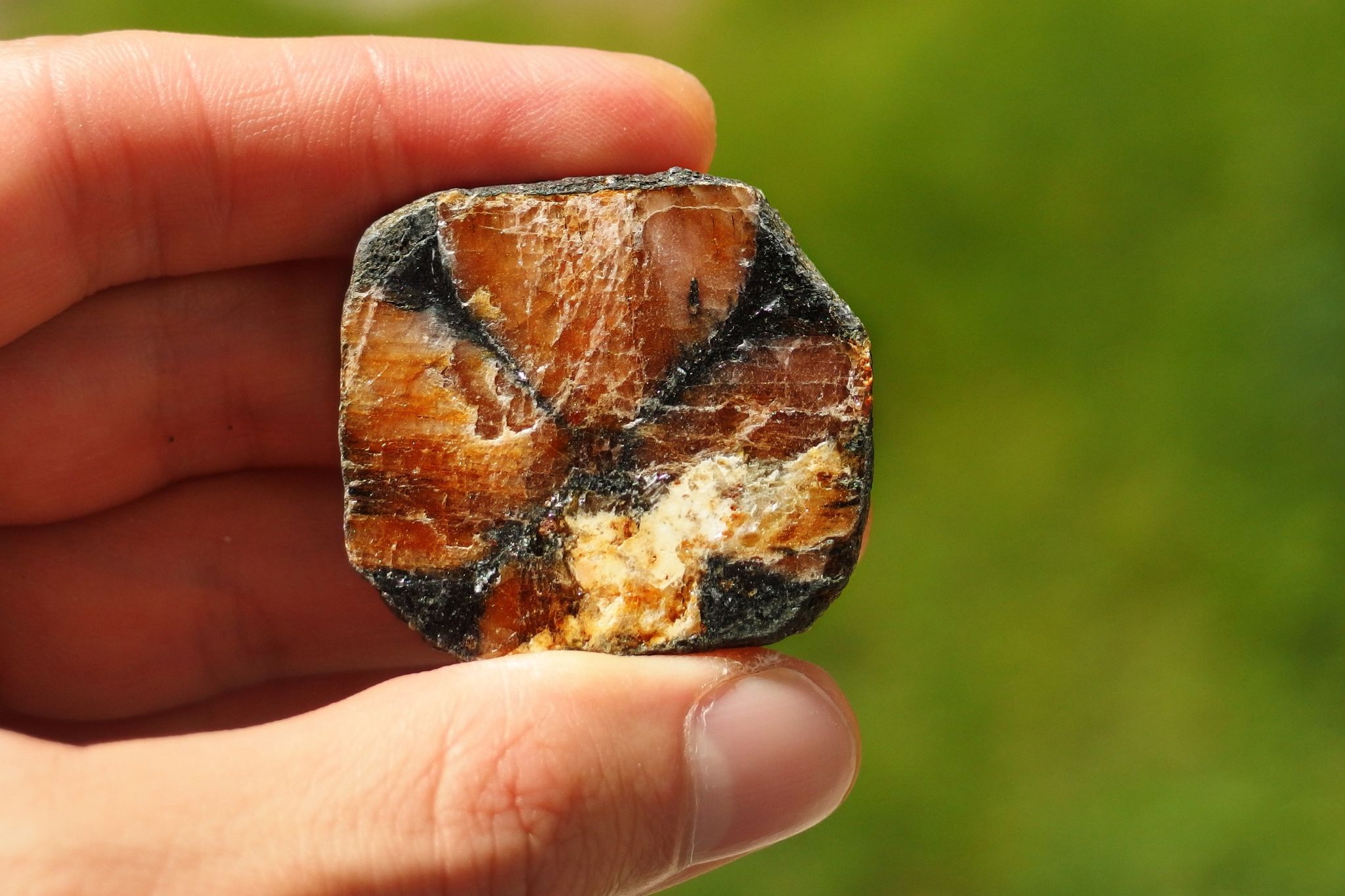
Keep Andalusite in your pocket, bag, or personal space as a grounding stone for balance, protection, and steady awareness throughout the day.
Jewelry
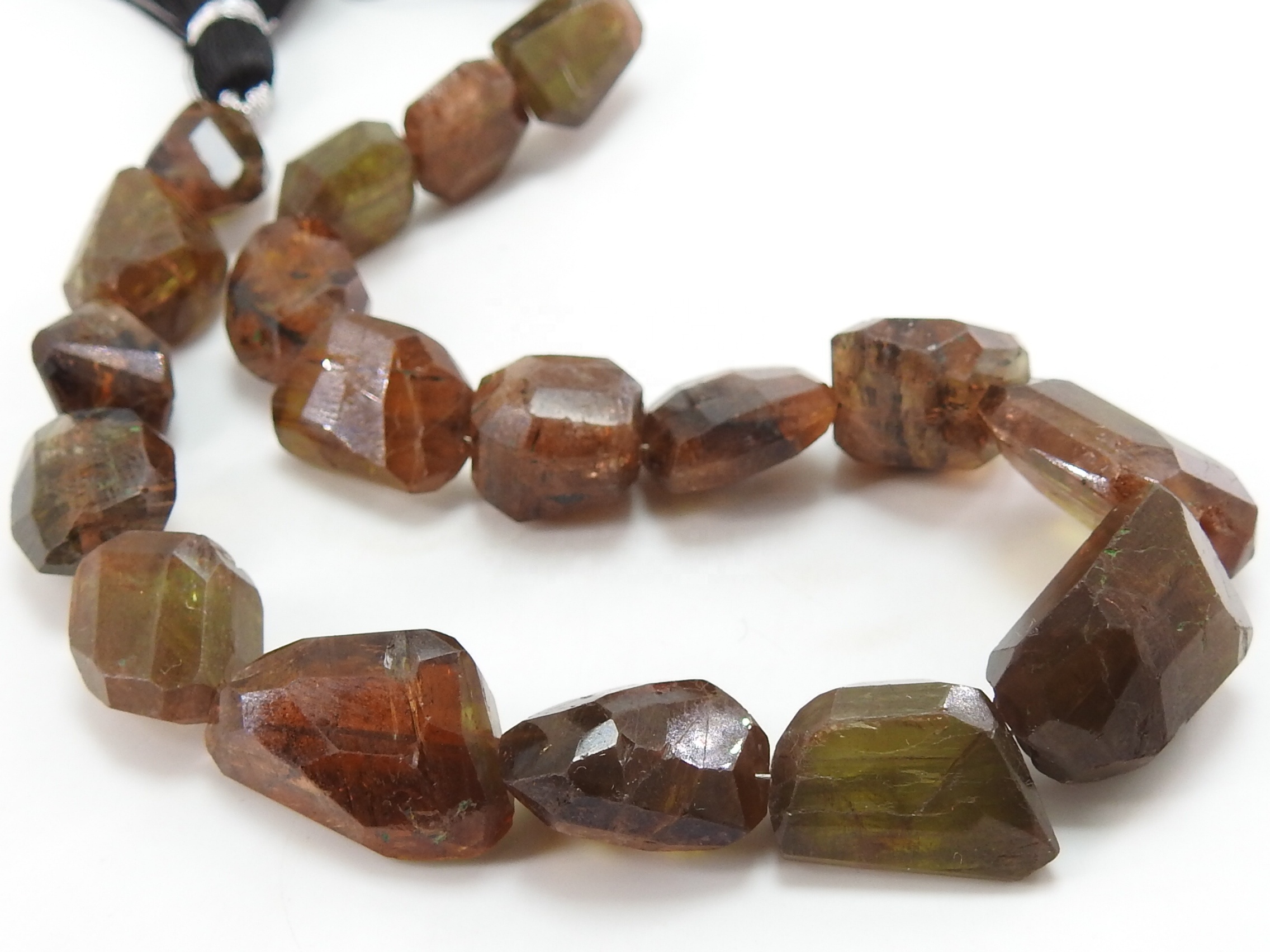
Wear Andalusite jewelry to keep its stabilizing energy close, especially when you want support for confidence, emotional balance, and clear perspective.
Meditation

Hold Andalusite during meditation to support grounding, self-awareness, and the ability to see situations from more than one point of view.
Chakra Work
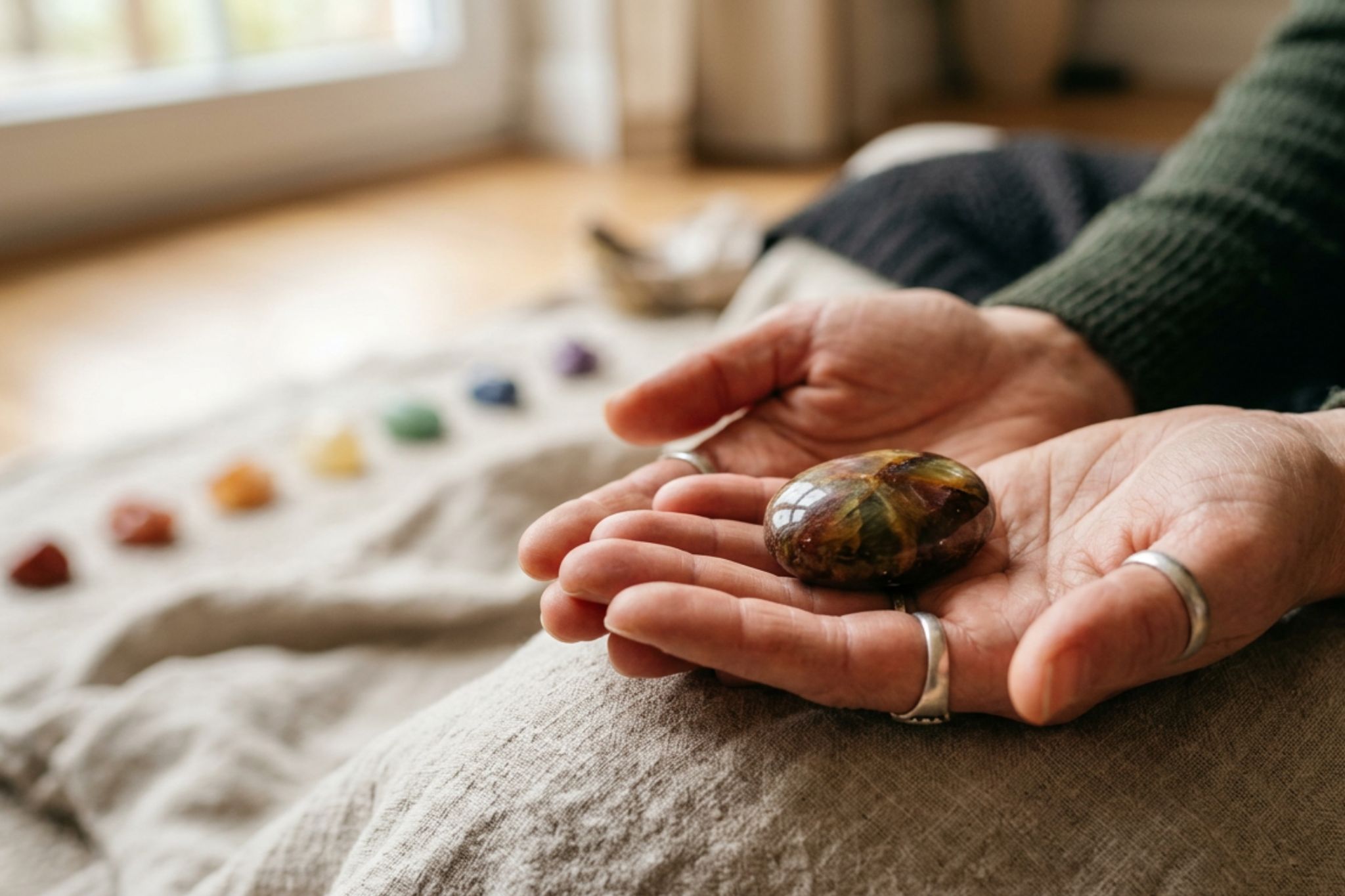
Place Andalusite near the Root, Solar Plexus, or Third Eye area during energy work to support grounding, inner strength, and intuitive clarity.
Decision Reflection

Use Andalusite while journaling, planning, or reflecting on choices to encourage practical wisdom, balanced judgment, and clearer direction.
Crystal Grid or Space
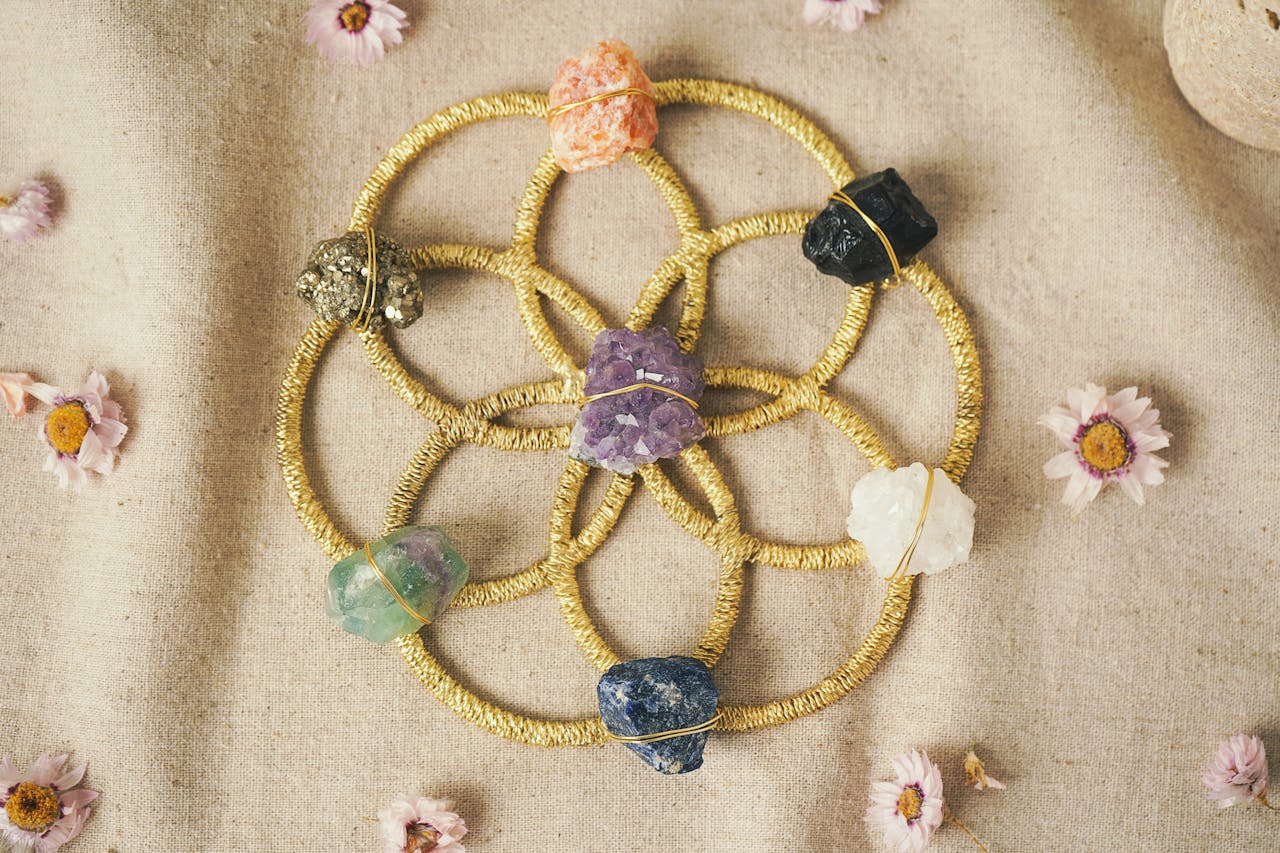
Place Andalusite in a crystal grid, altar, or personal space to support protection, emotional balance, and stable energy during times of change.
Cleansing & Care for Andalusite
Andalusite has moderate to good hardness, but gentle care helps preserve its polish, color, and natural luster. Although it is fairly durable, it can still chip or show wear if exposed to impact, harsh chemicals, or improper cleaning.
Physical Care:
Wipe with a soft dry or slightly damp cloth. If needed, clean gently with mild soap and room-temperature to lukewarm water, then dry the stone carefully.
Avoid:
Harsh chemicals, saltwater, prolonged soaking, steam cleaning, abrasive surfaces, and strong impact. Ultrasonic cleaning may be risky, especially for included, fractured, or mounted stones, so gentle hand cleaning is the safer choice.
Energetic Cleansing & Charging:
Cleanse Andalusite with smoke, sound, Selenite, Clear Quartz, or intention; recharge it with moonlight, Clear Quartz, Selenite, or focused intention.
Types of Andalusite
Andalusite appears in several forms, but the two most recognized varieties are Chiastolite and Viridine.
Viridine
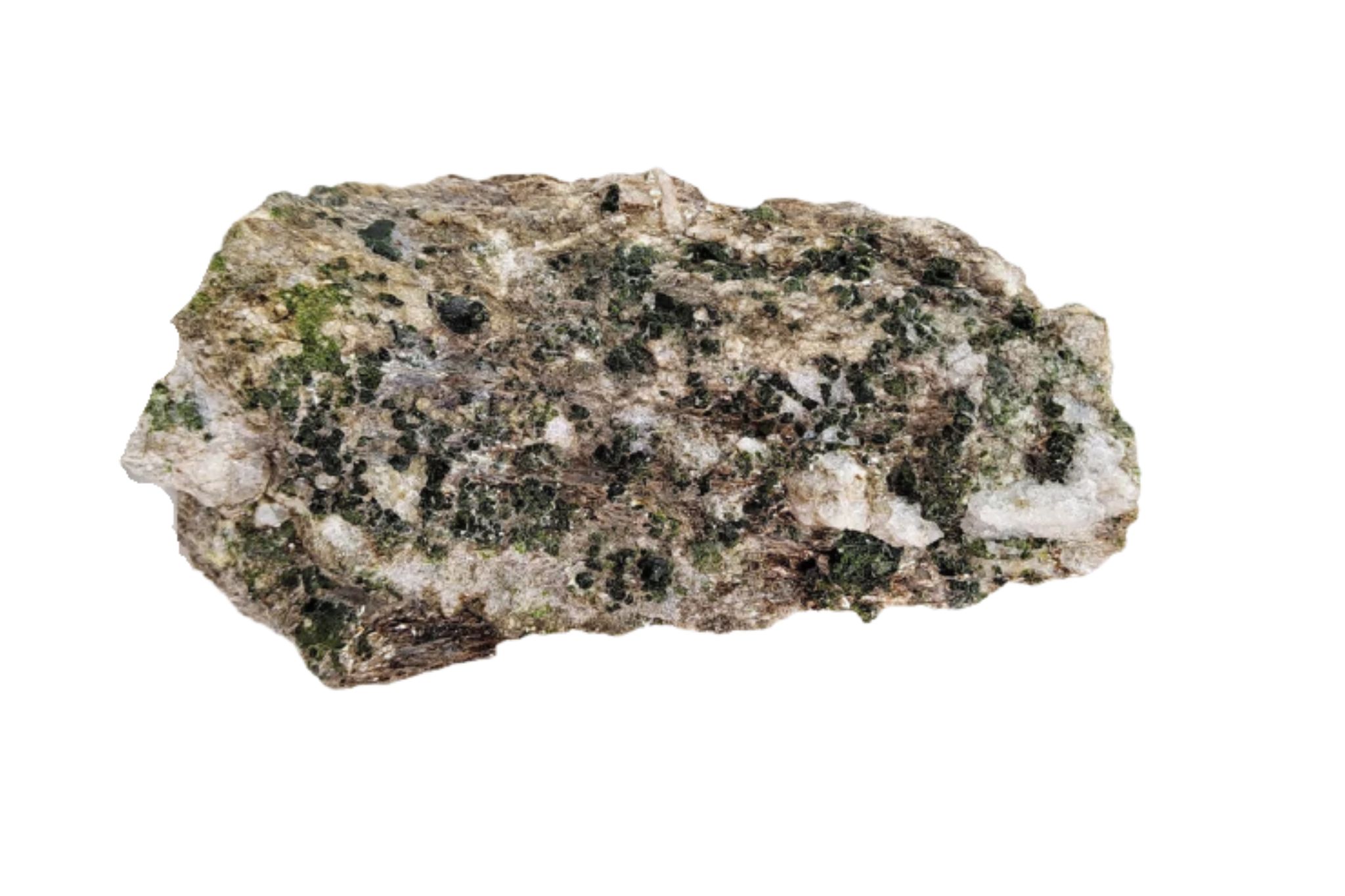
A rare green variety of Andalusite colored by manganese, valued for its deeper green tones and uncommon appearance.
Origin: Greece, Brazil, Sweden, France, and other rare localities
Energy: Growth, grounding, clarity, rare insight
Chakra: Root, Heart
Chiastolite
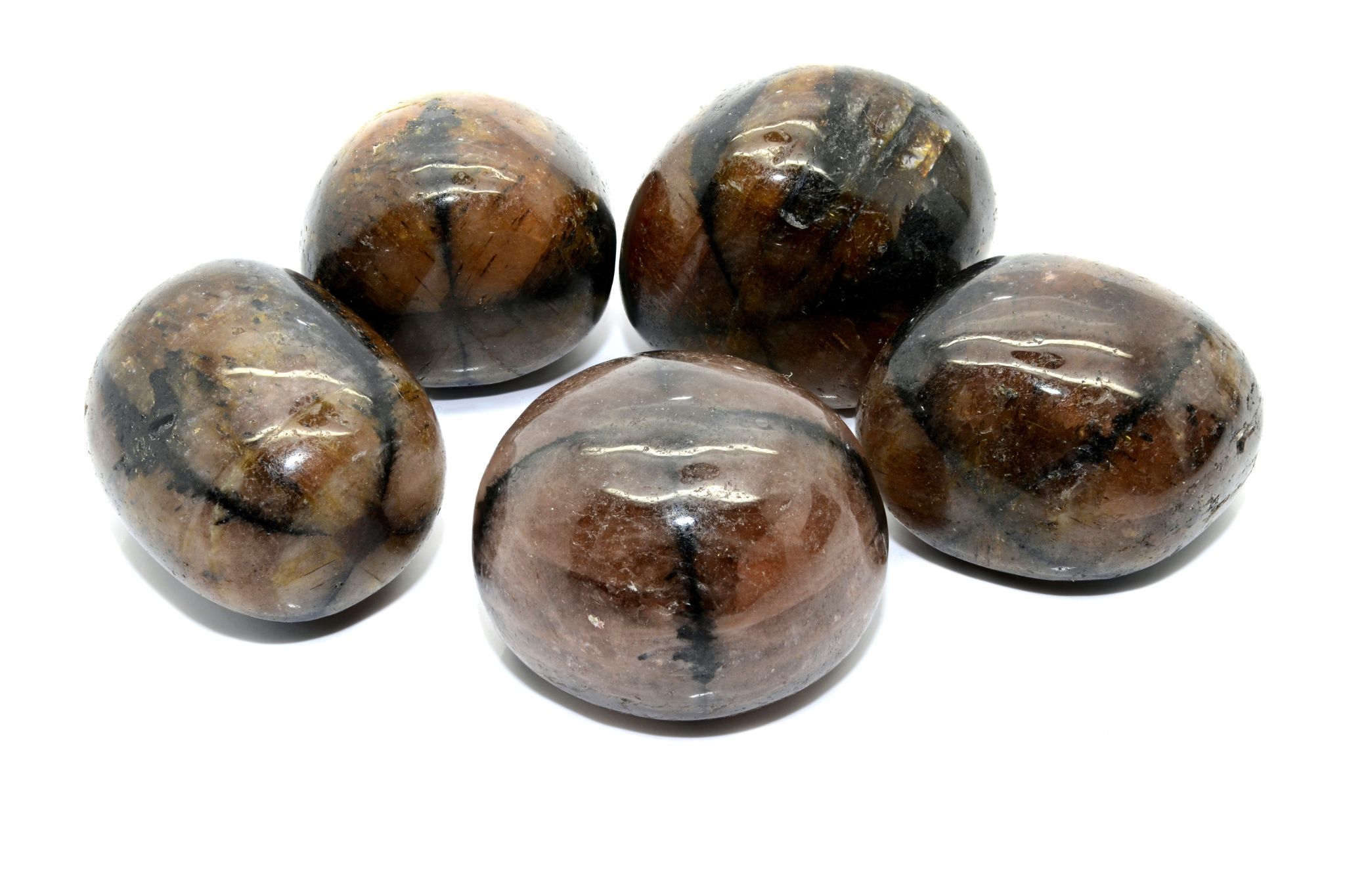
An opaque variety of Andalusite known for its natural dark cross or X-shaped pattern, created by carbon-rich inclusions.
Origin: Spain, Brazil, Chile, China, France, Russia, Australia, Canada, and the United States
Energy: Protection, grounding, balance and spiritual guidance
Chakra: Root
Andalusite carries a steady, grounding presence that supports reflection, protection, and inner alignment. Its shifting colors symbolize the ability to see life from more than one perspective, making it a meaningful stone for clarity, balance, and personal transformation.
Explore Related Crystals
Share this guide