
Ametrine
Ametrine is known for its striking blend of purple and golden-yellow color, combining the visual qualities of amethyst and citrine within a single quartz crystal. This rare bicolored gemstone is especially associated with balance, clarity, and energized focus. Its natural contrast of calming purple and warm golden tones brings together the spiritual awareness of amethyst with the creative, uplifting energy of citrine.
Main Energy
Balance, clarity, energized focus
Chakra
Crown and Solar Plexus
Element
Air and Fire
Family
Quartz
Hardness
7 on the Mohs scale
In This Guide
Formation
Ametrine forms when different color zones develop within the same quartz crystal under specific natural conditions. The purple areas are associated with amethyst, while the golden-yellow areas are associated with citrine-like quartz. This bicolor effect is linked to iron within the crystal and differences in oxidation conditions during formation. Natural ametrine is most famously associated with the Anahí Mine in Bolivia, where these conditions produced distinctive purple and yellow zoning within a single crystal.
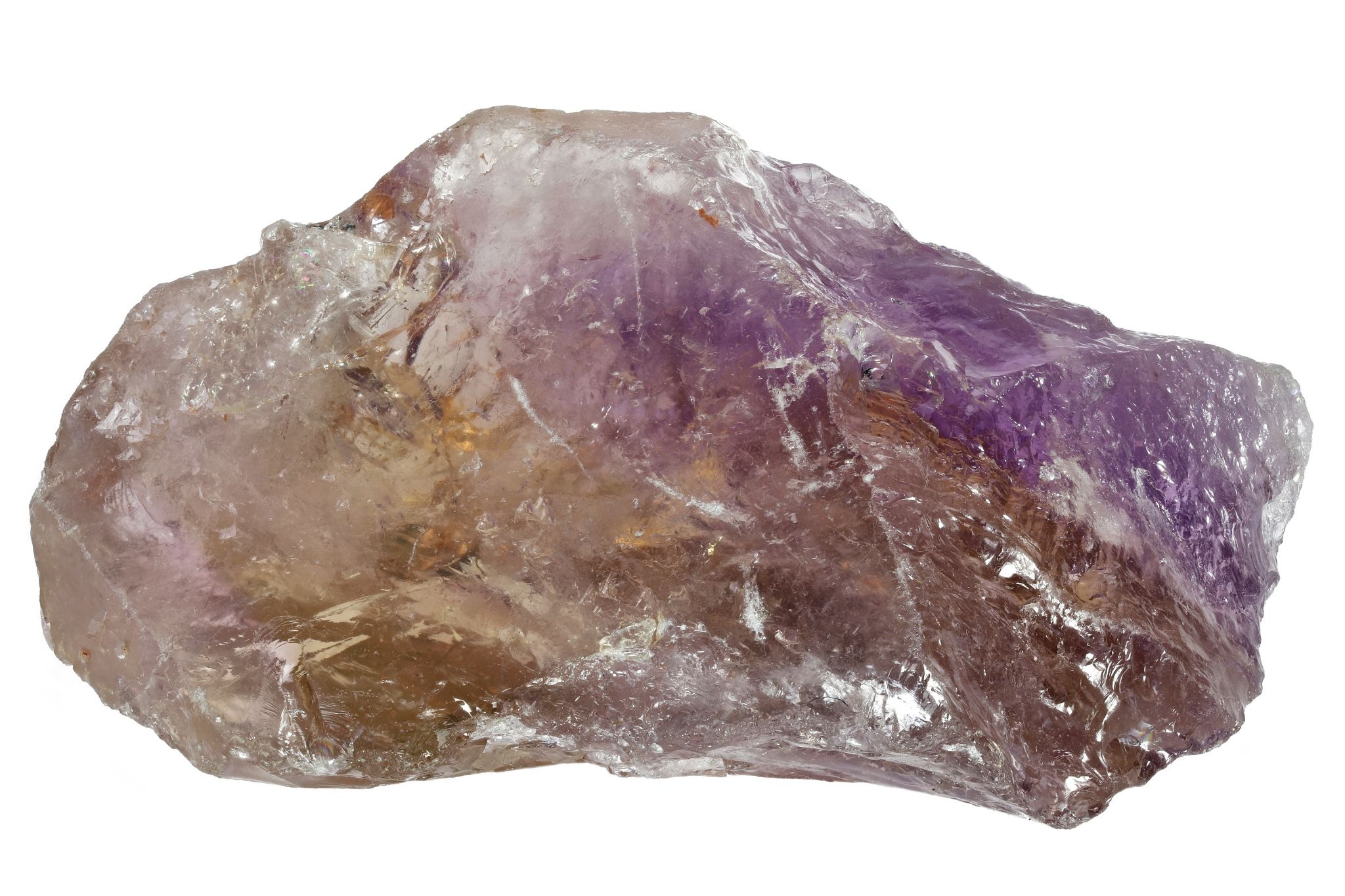
Colors
Ametrine is known for its striking blend of purple and golden-yellow color within the same quartz crystal. The purple zones are Amethyst, while the yellow to golden zones are Citrine. These colors may appear as sharp sections, soft transitions, or natural zoning, creating the distinctive bicolored appearance that makes Ametrine recognizable.
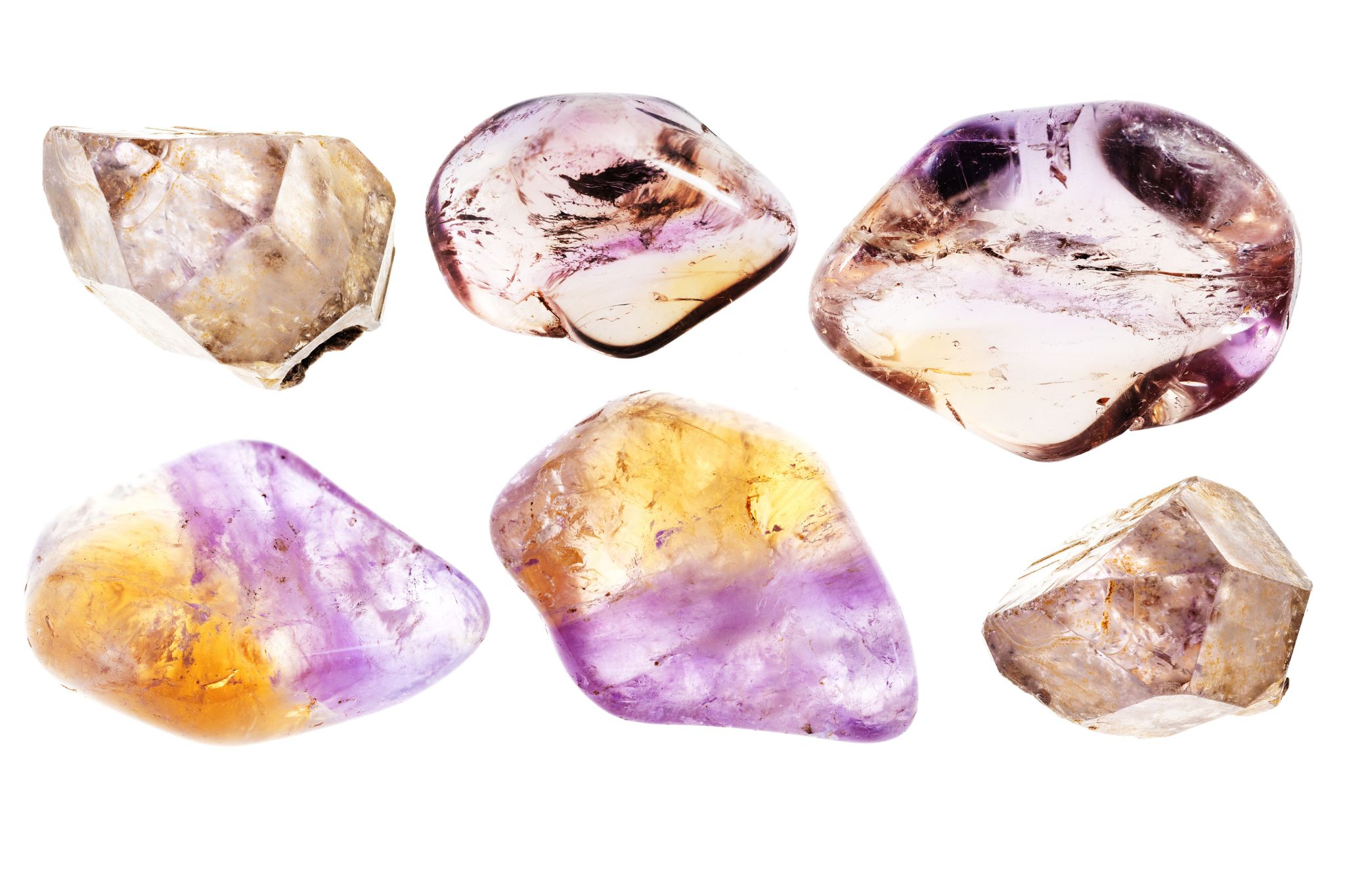
Origin
The primary source of natural Ametrine is the Anahí Mine in eastern Bolivia, near the Brazilian border. This mine is renowned for producing high-quality Ametrine gemstones, where rare geological conditions allow purple Amethyst and golden Citrine color zones to form within the same quartz crystal.
While minor natural occurrences of Ametrine have been reported in a few other locations, Bolivia remains the most important and reliable source of natural, gem-quality Ametrine in the gem market. Because true natural Ametrine is strongly associated with this single source, treated and synthetic bicolor quartz may also appear on the market.
Natural Formation vs. Lab-Made Ametrine
Because natural Ametrine is rare and strongly associated with the Anahí Mine in Bolivia, some bicolor quartz sold as Ametrine may be lab-created or treated to imitate its purple-and-golden appearance.
Natural Ametrine forms when Amethyst and Citrine color zones develop together within the same quartz crystal under specific geological conditions. Minor natural occurrences have been reported outside Bolivia, but they rarely produce commercial quantities of gem-quality material.
Lab-made Ametrine is created under controlled laboratory conditions, most often through hydrothermal crystal growth. Treated bicolor quartz may also be produced by altering Amethyst or quartz through processes such as heat treatment or irradiation. These materials can look similar to natural Ametrine, but they do not share the same natural geological formation.
For collectors and jewelry buyers, the distinction matters. Natural Ametrine, especially material from Bolivia’s Anahí Mine, is valued for its rare natural color zoning, while synthetic or treated material should be clearly identified as lab-created or treated.
How to Know If Ametrine Is Natural
Check the Origin
Natural Ametrine is most strongly associated with the Anahí Mine in Bolivia. If the seller can clearly state Bolivia or Anahí Mine as the source, it is a helpful sign, though not a guarantee by itself.
Look for Clear Disclosure
A trustworthy seller should clearly describe the stone as natural, treated, or lab-created. Be cautious with vague terms like “genuine bicolor quartz” if no origin or treatment information is provided.
Compare the Price
Natural Ametrine is relatively rare. If a large, clean, strongly colored stone is offered at a very low price, it may require extra caution.
Notice the Color Pattern
Natural Ametrine can show sharp or gradual purple-and-golden zoning. However, overly perfect, identical, or unusually strong color patterns may suggest treated or lab-created material.
Ask for a Gemological Report
For valuable stones or jewelry, a gemological certificate is the most reliable way to confirm whether the Ametrine is natural, treated, or synthetic.
History
Ametrine has a relatively recent place in the modern gemstone market. Although the Anahí Mine in Bolivia is connected to older local legends, Ametrine became widely recognized as a distinct gemstone only in the late 20th century, when natural bicolor quartz from Bolivia began reaching the gem trade in larger quantities.
According to legend, the mine was named after Princess Anahí of the Ayoreo people, who is said to have given the mine to a Spanish conquistador in the 1600s. Because this story is part of the gemstone’s lore rather than a fully documented historical record, it is best understood as the legend behind Ametrine’s name. The Anahí Mine was rediscovered in the 1960s, and Ametrine began appearing in the gem market again during the 1970s. Its modern recognition grew as larger quantities of natural bicolor quartz became available from Bolivia, revealing the unusual combination of purple Amethyst and golden Citrine within a single crystal.
Spiritual & Emotional Properties
Ametrine is traditionally associated with balance, clarity, and energized focus. Because it combines purple Amethyst and golden Citrine within the same quartz crystal, it is often seen as a stone that brings together spiritual awareness with positive, motivating energy. In crystal traditions, this unique blend is believed to balance the calming, intuitive qualities of Amethyst with the uplifting, joyful, and action-oriented energy of Citrine.
Chakra Alignment
Ametrine is used to bridge and align the lower and higher energy centers, especially the Solar Plexus and Crown Chakras. It links spiritual insight with confidence, action, and manifestation.
Clarity & Focus
Often used to support mental clarity, concentration, and clear decision-making, especially when thoughts feel scattered or uncertain.
Spiritual Awareness
Connected with intuition, higher awareness, and spiritual insight, Ametrine is often used during meditation or reflective practices.
Optimism & Positive Energy
Ametrine supports optimism, emotional lightness, and a brighter state of mind. Its balanced energy encourages a more positive, open approach during times of stress, change, or low energy.
Creativity & Motivation
Ametrine supports creative thinking, inspired action, and the motivation to move ideas forward. It encourages focus, confidence, and purposeful direction.
Emotional Balance
Traditionally associated with easing emotional heaviness and supporting a more balanced, centered state of mind.
Traditional Wellness Associations
Disclaimer: The following information is based on traditional crystal practices and metaphysical associations. It is not medical advice, diagnosis, or treatment, and should not replace professional healthcare. Crystals may be used as a symbolic or complementary support practice, but they should never be used as a substitute for medical care.
Vitality & Stamina
Ametrine supports renewed vitality, stamina, and physical motivation. It is used in crystal wellness practices during periods of tiredness, low drive, or depleted energy.
Head Tension & Migraines
Ametrine is used for headaches, migraines, and pressure around the head and eyes. It is believed to clear energetic blockages around the Third Eye, while combining Amethyst’s cooling mental relief with Citrine’s flow, detoxification, and revitalizing energy.
Digestive Support
Linked with the Solar Plexus area, Ametrine is used to support digestive energy, metabolism themes, and the connection between stress, confidence, and personal power.
Tension Relief
Ametrine is used for energetic tension connected with stress, overthinking, head pressure, and physical tightness. Its calming and energizing qualities support relaxation, clarity, and a lighter physical state.
Detox Energy
Ametrine is described as a purifier in many crystal traditions. It is used symbolically to clear stagnant energy, refresh the body’s energetic field, and support renewal.
Immune System Strengthening
Ametrine is connected with the body’s natural resilience and vital force. It is used as an energetic support for strength, balance, and overall wellness.
How to Use Amazonite
Daily Carry
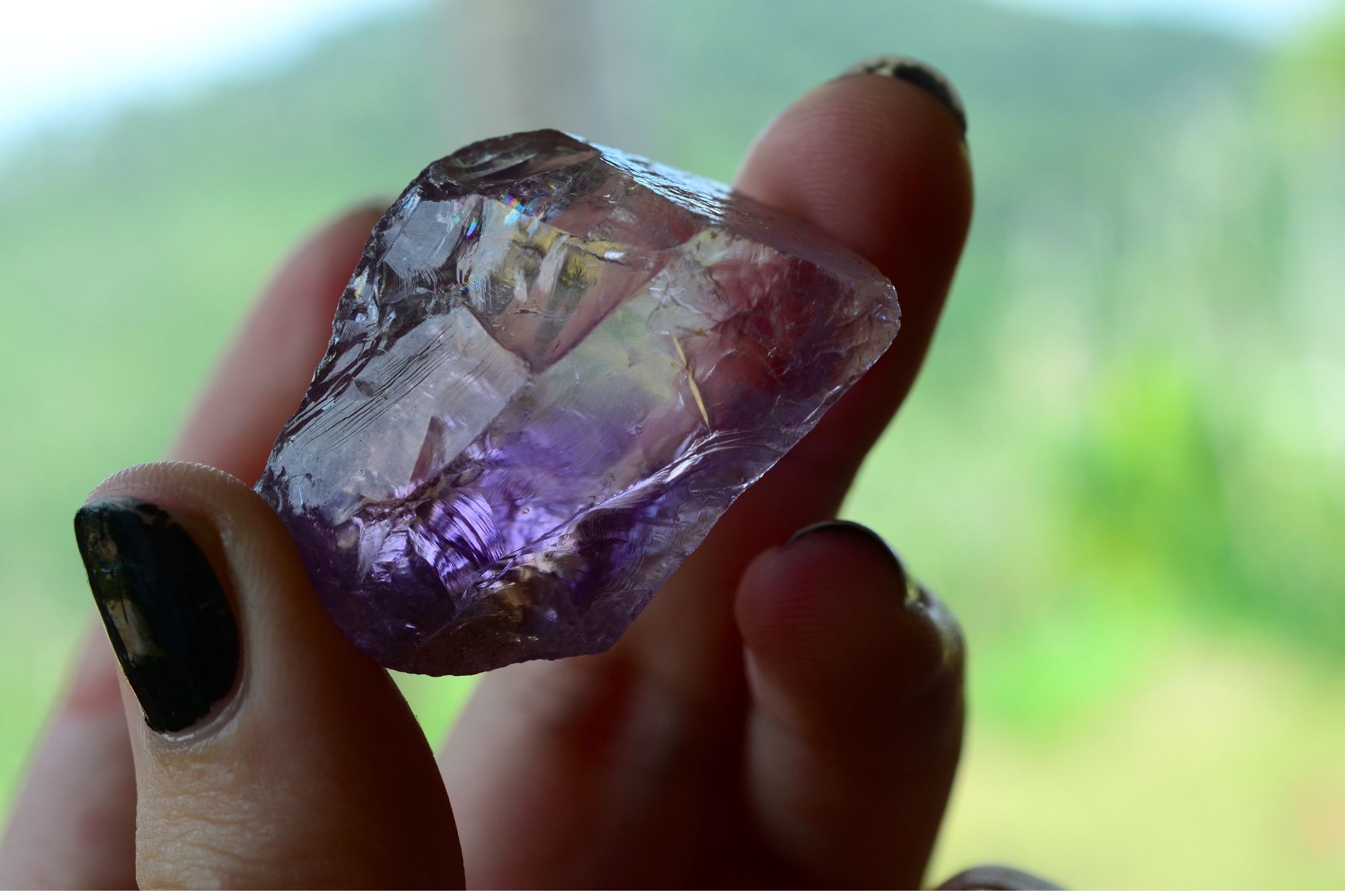
Keep Ametrine in your pocket, pouch, or bag as a daily reminder of balance, clarity, and positive motivation. It is especially useful when you want to stay centered while moving through decisions, stress, or change.
Jewelry
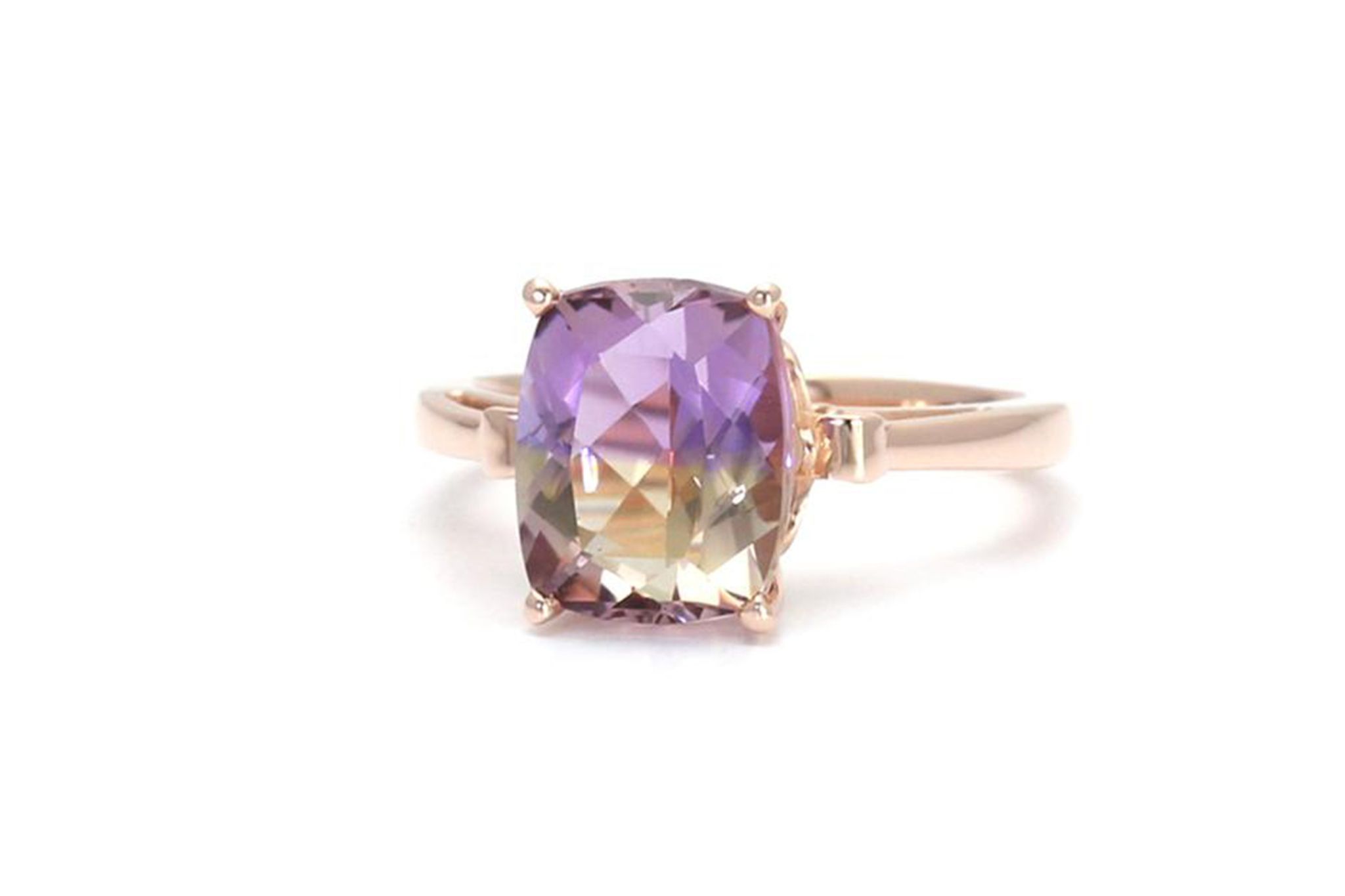
Wear Ametrine as jewelry to keep its balancing energy close throughout the day. It is often chosen for combining calm spiritual awareness with confidence, optimism, and focused action.
Meditation

Hold Ametrine during meditation to support mental clarity, intuition, and emotional balance. Its blend of Amethyst and Citrine energy makes it useful for both quiet reflection and energized spiritual focus.
Workspace or Creative Space
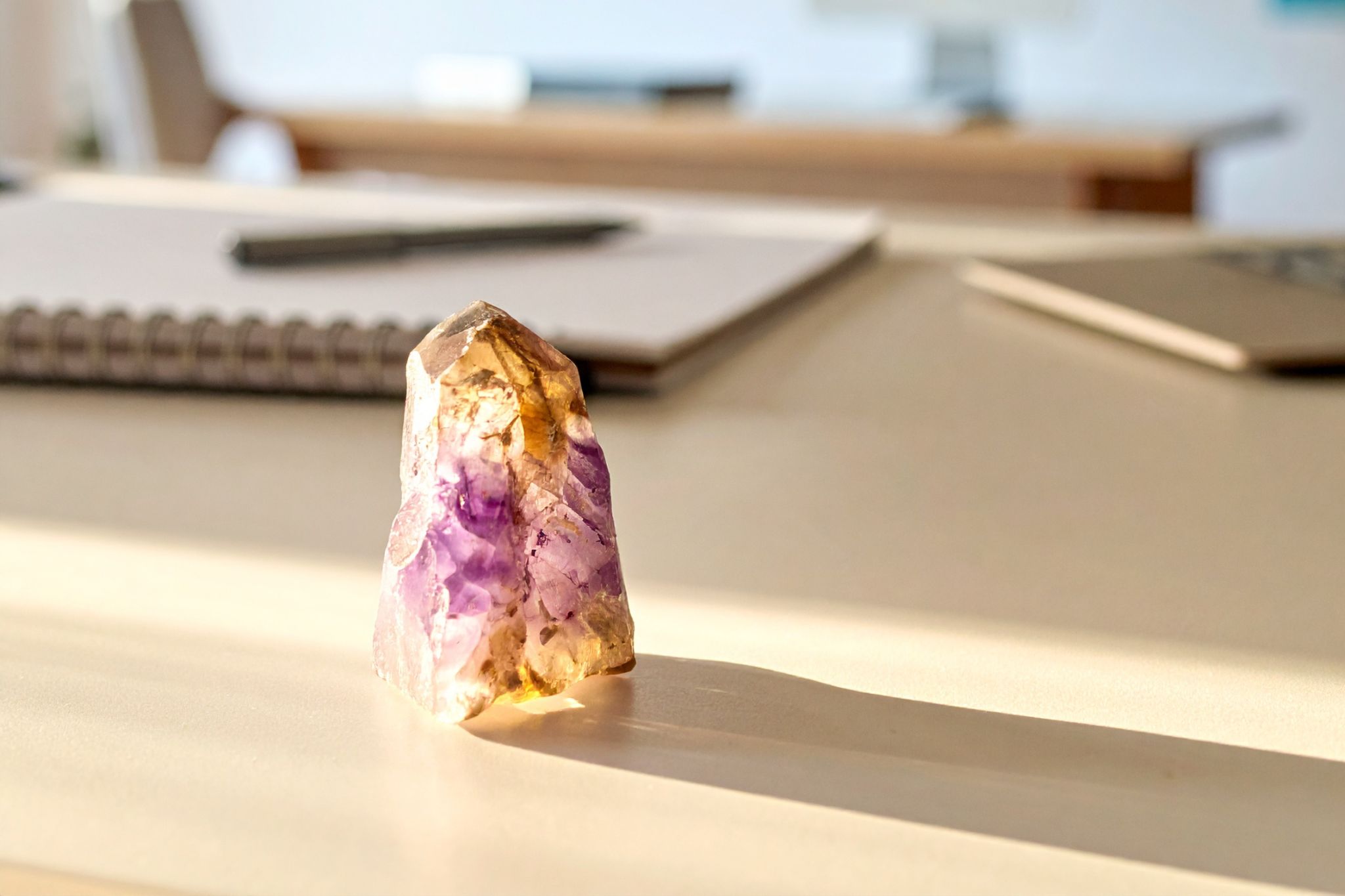
Place Ametrine on a desk, creative table, or focused work area to support clarity, motivation, and inspired action. It is especially useful when you want to turn ideas, intentions, or spiritual insight into practical steps.
Chakra Work

Use Ametrine in chakra practices to bridge and align the lower and higher energy centers, especially the Solar Plexus and Crown Chakras. It links spiritual insight with confidence, action, and manifestation.
Intention Setting
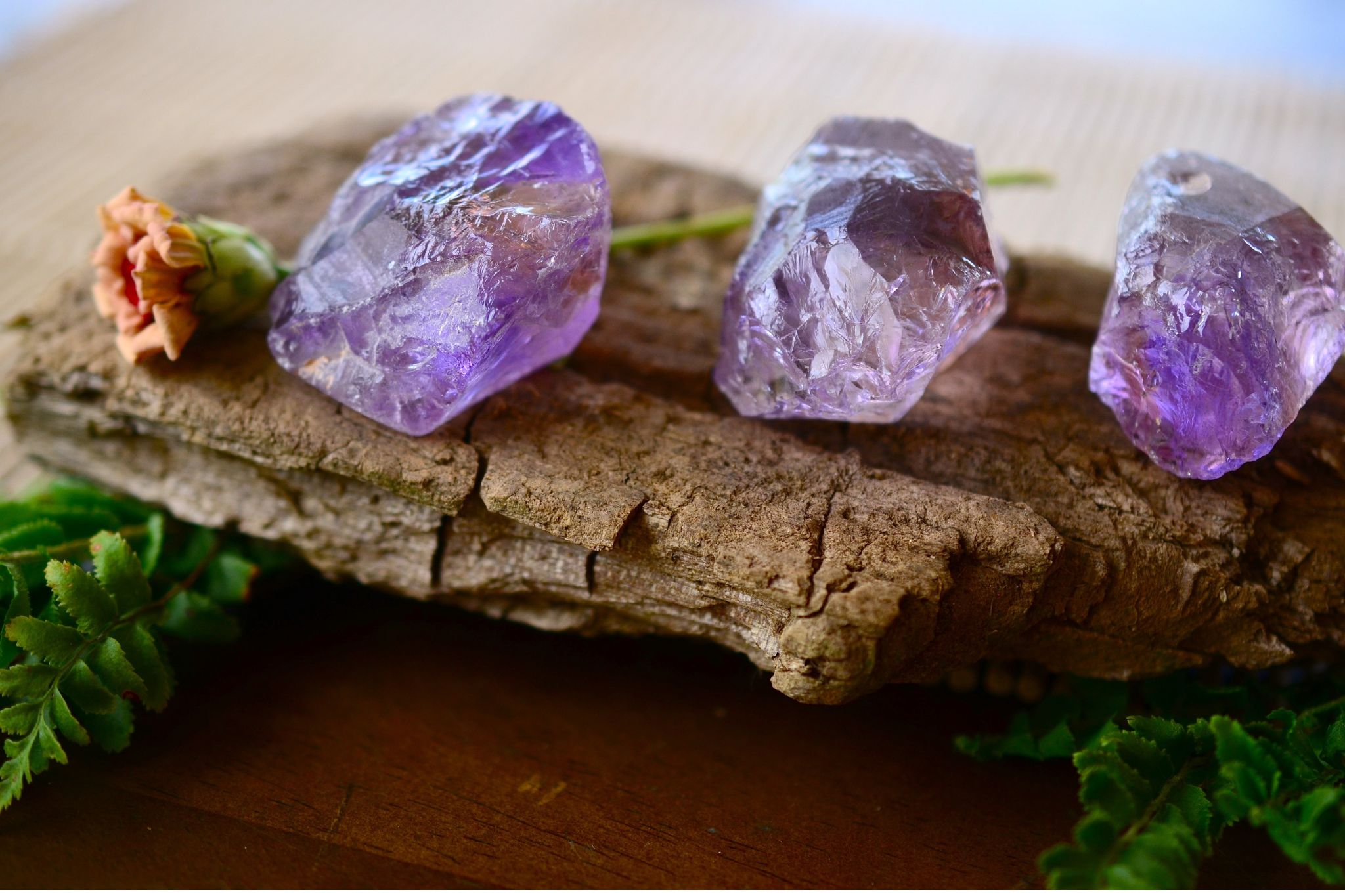
Use Ametrine when setting intentions for balance, clarity, joy, or manifestation. Its dual energy helps connect inner guidance with practical steps, making it a strong stone for turning insight into action.
Cleansing & Care for Ametrine
Ametrine has a hardness of 7 on the Mohs scale, making it relatively durable for regular use. As a natural quartz variety, it benefits from gentle handling to help preserve its color, clarity, and polished surface.
Physical Care:
Clean with lukewarm water, mild soap, and a soft cloth or soft brush. Rinse gently and dry thoroughly.
Avoid:
Harsh chemicals, bleach, ammonia-based cleaners, steam cleaners, high heat, prolonged direct sunlight, and sudden temperature changes.
Energetic Cleansing & Charging:
Ametrine can be energetically cleansed with smoke or sound, and gently charged with moonlight, Clear Quartz, or Selenite.
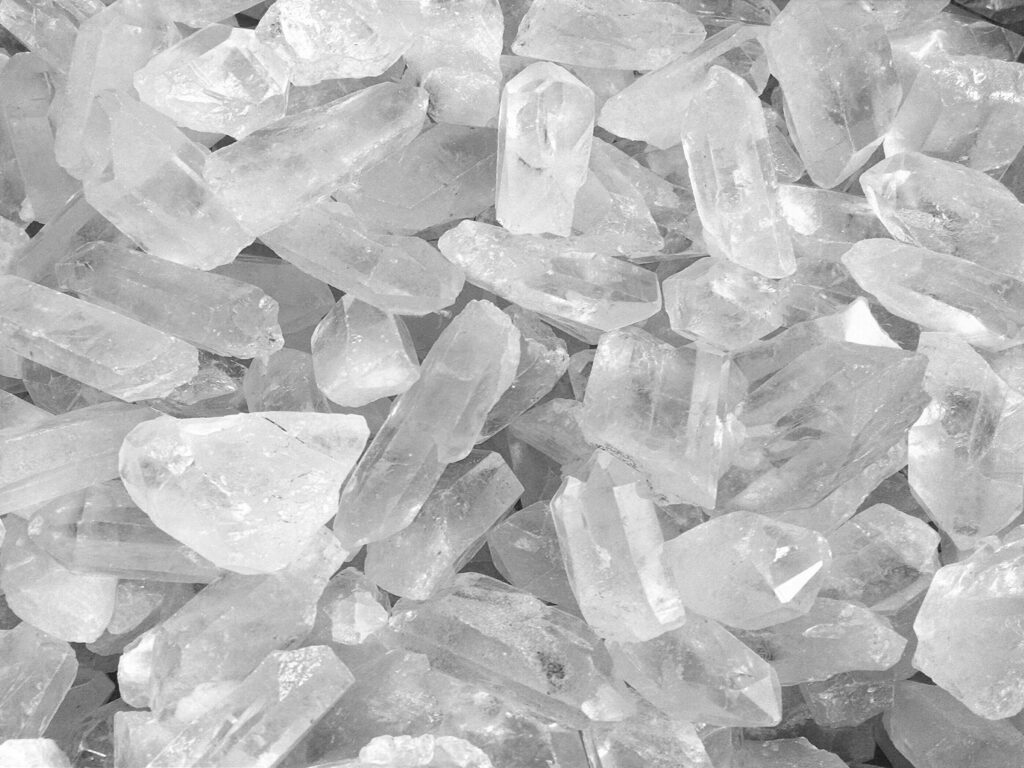
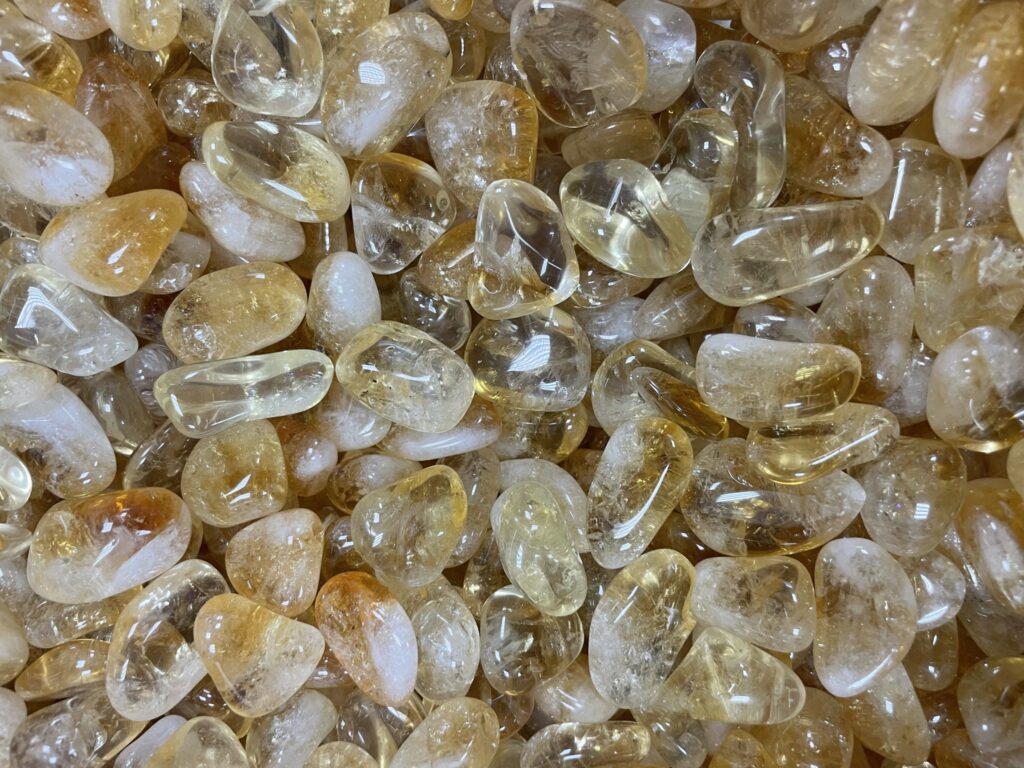
Ametrine belongs to the quartz family and naturally brings together Amethyst and Citrine within the same crystal. Explore related quartz crystals that share its mineral foundation, color connection, and energetic character.
Explore Related Crystals
Share this guide