
Amber
Amber is known for its warm golden, honey, and orange-brown tones, as well as its deep connection to ancient forests. Unlike most crystals, amber is an organic material formed from fossilized tree resin over millions of years. With its lightweight feel, natural glow, and rich history, amber is often associated with warmth, protection, vitality, and a connection to the natural world.
Main Energy
Warmth, protection, vitality
Chakra
Solar Plexus and Sacral
Element
Earth
Family
Organic gemstone, fossilized tree resin
Hardness
2–2.5 on the Mohs scale
In This Guide
Formation
Amber begins as natural tree resin released by ancient trees, often as a response to injury or stress. Over time, this resin hardened, became buried in sediment, and slowly changed through pressure, heat, and chemical transformation.
As the resin matured over geological time, volatile compounds such as terpenes were gradually lost, and the material became more stable and fossilized. In some cases, insects, leaves, pollen, or other small organic materials were trapped in the resin before it hardened, preserving tiny details from ancient environments. The age of amber can vary widely. Some rare amber is hundreds of millions of years old, with the oldest known examples dating back to about 320 million years
Colors
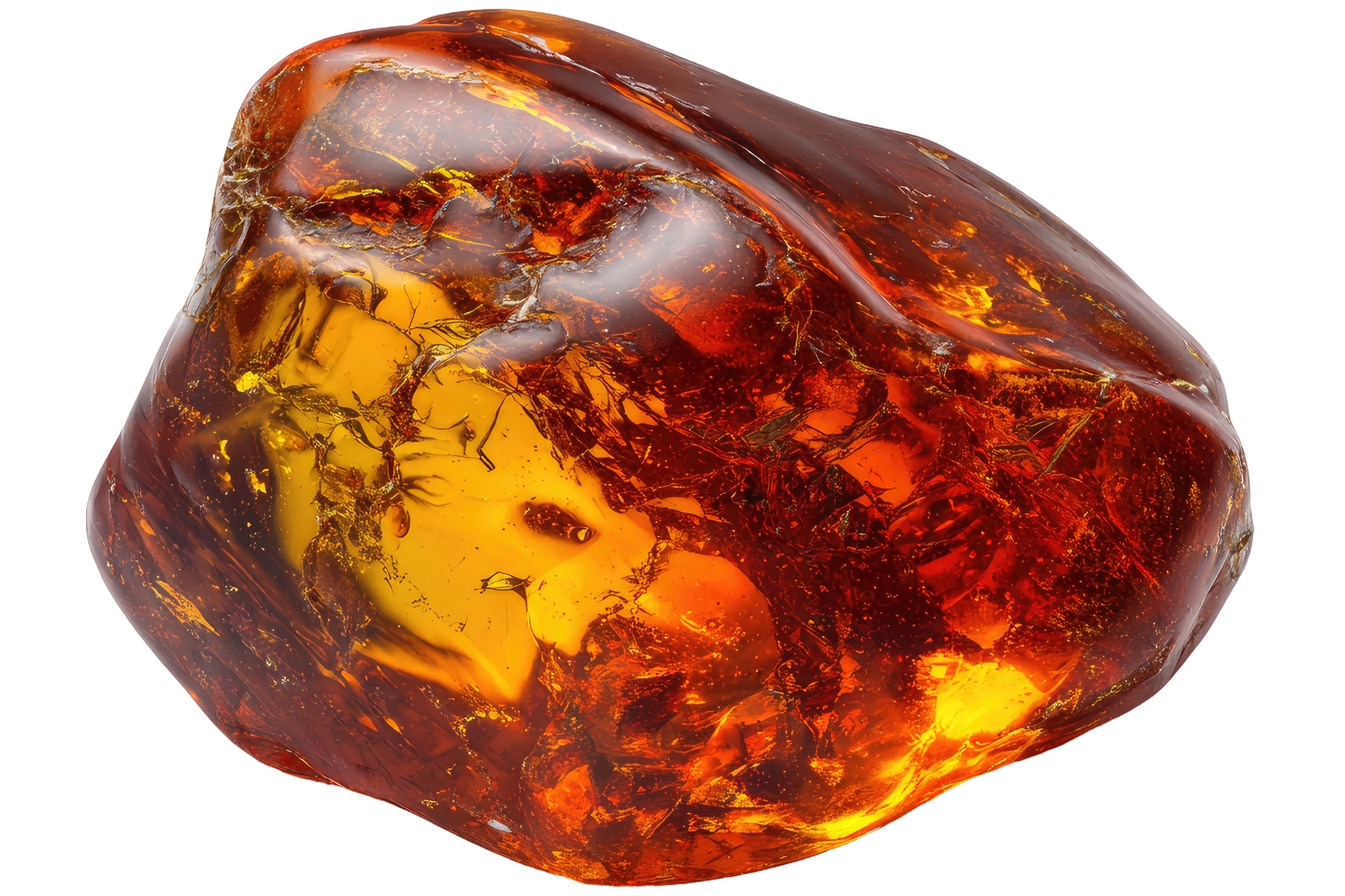
Amber is best known for its warm yellow, honey, golden, cognac, and orange-brown tones. Some pieces may also appear reddish, milky, white, greenish, or very rarely blue, depending on the resin source, age, oxidation, and conditions during fossilization.
Its color and clarity can vary from transparent and glassy to cloudy, milky, or opaque. Natural bubbles, plant material, tiny inclusions, and internal textures can also affect the way light moves through amber, giving each piece its own depth, warmth, and organic character.
Origin
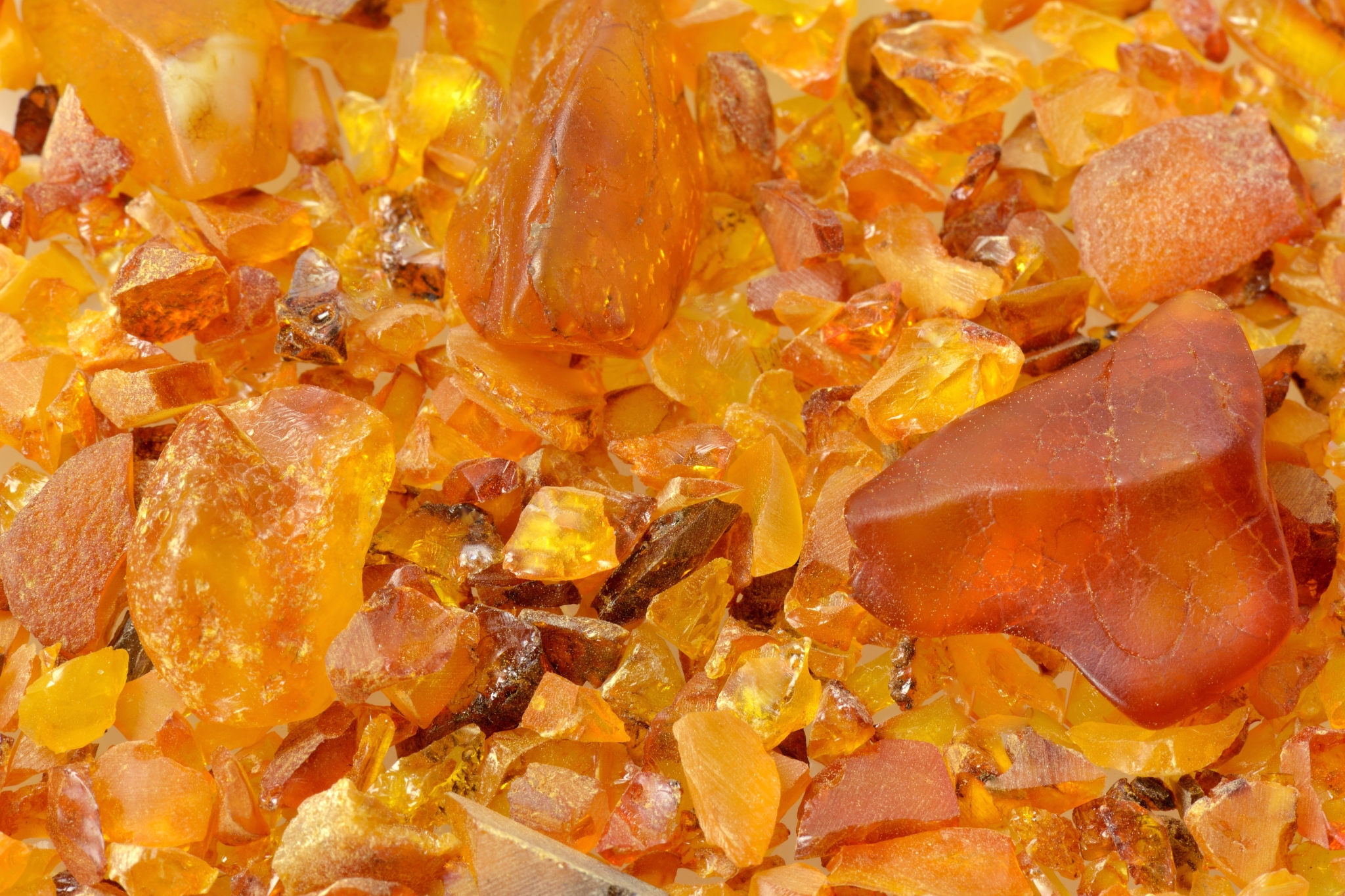
Amber is found in several parts of the world, with the Baltic region being the best-known and most important source. Baltic amber is commonly associated with the Eocene period and is often dated to around 35–50 million years old. It is especially known for its warm golden tones and for the many plant and insect inclusions preserved inside some pieces.
Another notable source is the Dominican Republic, known for highly transparent amber and rare blue amber, which can show a bluish glow under certain lighting conditions. Dominican amber is generally younger than Baltic amber and is often linked with Miocene deposits. Other sources include Myanmar, Mexico, Russia, Germany, Poland, Ukraine, and parts of the United States, each producing amber with its own color, clarity, and fossil-inclusion characteristics.
History
Amber formed millions of years before human history, and people have collected, traded, and used already-formed amber since prehistoric times. Its warm color, light weight, natural beauty, and occasional preserved inclusions made it meaningful for beads, amulets, jewelry, burial objects, and decorative carvings across many early cultures.
As amber traveled far from its original sources through trade routes, it became an important material in ancient exchange networks, especially across Europe and the Baltic region. Its glowing appearance and occasional insect or plant inclusions also gave it symbolic importance, often connecting it with protection, memory, and the natural world.
Beyond its decorative use, amber is important to science because it can preserve insects, plant material, pollen, and other tiny details from ancient ecosystems. These inclusions give researchers a rare window into prehistoric environments and make amber valuable not only as a gem material, but also as a record of life from the distant past.
Spiritual & Emotional Properties
Amazonite is traditionally associated with calm communication, truth, emotional balance, and inner harmony. Its blue-green energy is often linked with the Heart and Throat Chakras, supporting a connection between inner feelings and outward expression. In crystal traditions, amazonite is especially valued for helping communication feel clearer, calmer, and more aligned with personal truth.
Protection
Amber has long been used as a protective talisman, traditionally associated with warmth, safety, and shielding the wearer from heavy or unwanted energy.
Energetic Clearing
Amber is often associated with clearing stagnant energy and bringing a warmer, lighter feeling to the emotional and energetic body.
Vitality & Warmth
Amber carries a bright, sun-like quality and is traditionally connected with vitality, warmth, life force, and renewed energy.
Optimism & Positive Energy
Amber is often associated with joy, optimism, and a more positive outlook, bringing a sense of lightness and emotional renewal.
Confidence & Personal Power
Linked with the Solar Plexus Chakra, amber is often associated with confidence, self-worth, inner strength, and a stronger sense of personal power.
Calm & Stress Relief
Amber is traditionally connected with soothing stress, easing emotional heaviness, and supporting a calmer, more relaxed state.
Traditional Wellness Associations
Disclaimer: The following information is based on traditional crystal practices and metaphysical associations. It is not medical advice, diagnosis, or treatment, and should not replace professional healthcare. Crystals may be used as a symbolic or complementary support practice, but they should never be used as a substitute for medical care.
Pain & Inflammation
Amber is traditionally connected with soothing physical discomfort, including joint pain, headaches, tooth discomfort, and inflammation-related tension.
Immune Vitality
Amber is often connected with vitality, resilience, and the body’s natural strength, especially during periods of low energy or seasonal imbalance.
Breath & Throat
Traditional amber practices often connect this stone with the throat, bronchi, and respiratory system, especially for easing heaviness and supporting clearer breathing.
Thyroid Balance
Amber has long been linked with the throat area and thyroid-related energetic balance, especially in traditions that connect amber with warmth, circulation, and energetic flow.
Natural Detox
Amber is commonly associated with detoxification and the body’s natural cleansing processes, symbolizing the release of heaviness and the renewal of physical energy.
How to Use Amber
Daily Carry
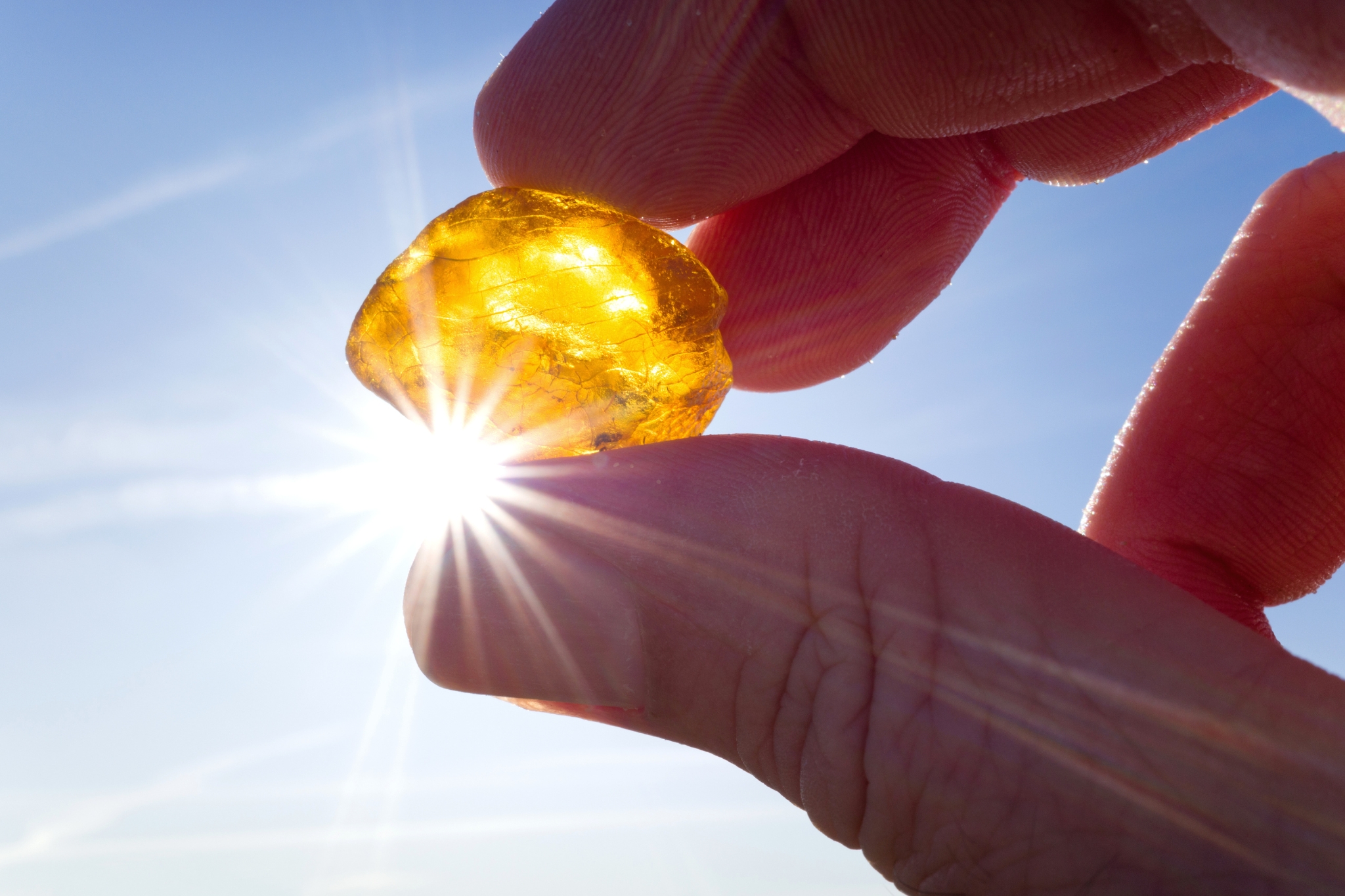
Keep amber in a small pouch, pocket, or bag as a warm reminder of protection, positivity, and steady emotional balance throughout the day.
Jewelry
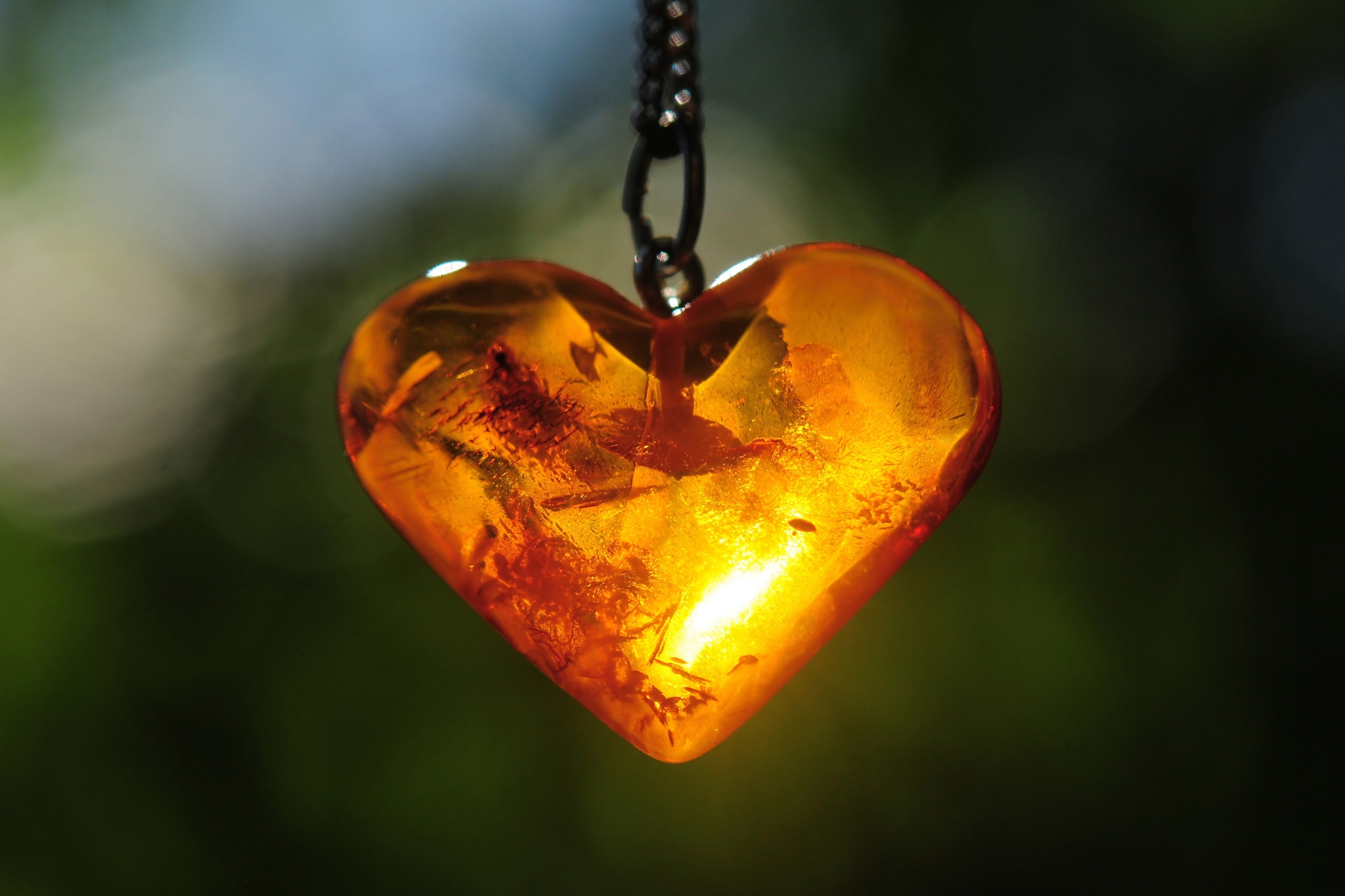
Wear amber as jewelry to keep its warm, protective energy close, especially near the Solar Plexus or Sacral area.
Meditation
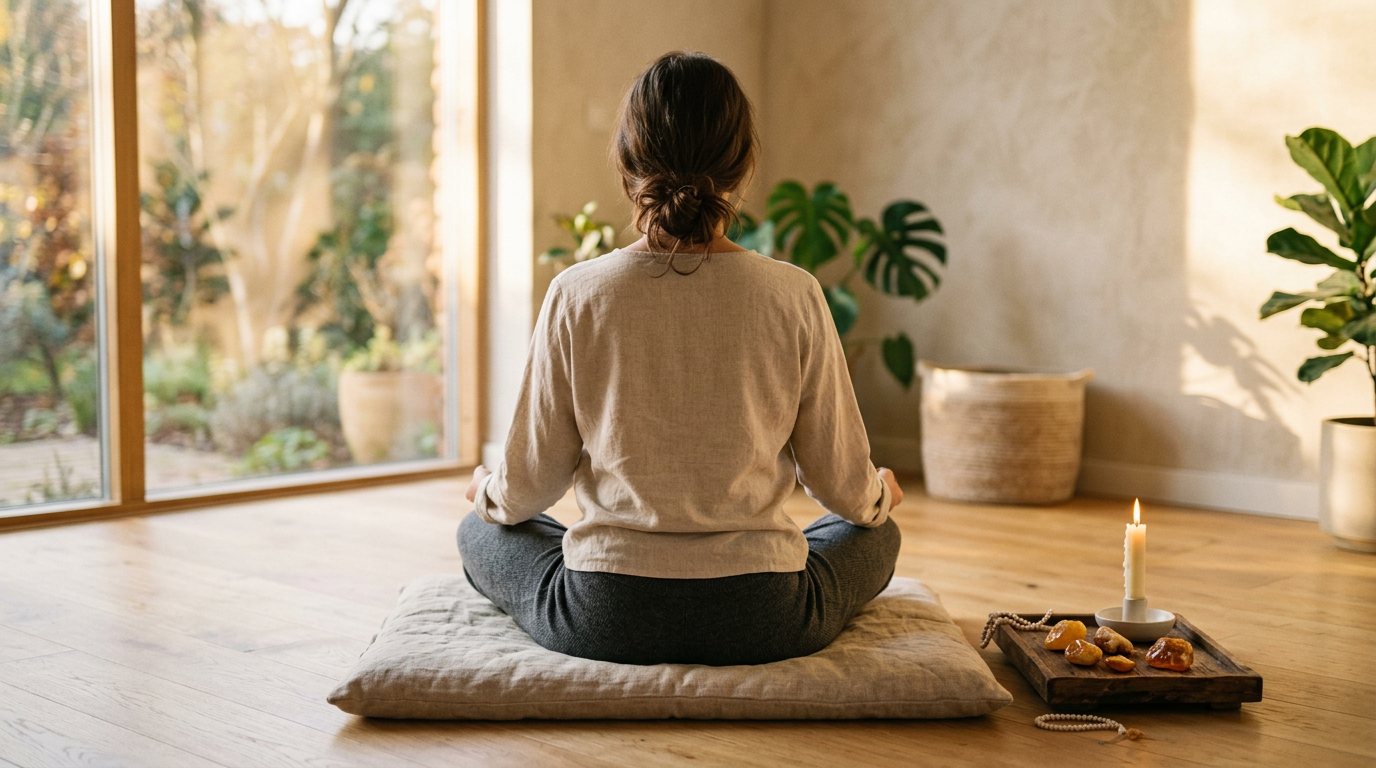
Hold amber during meditation to support calm reflection, emotional release, and a deeper connection to warmth, vitality, and inner steadiness.
Altar or Crystal Grid
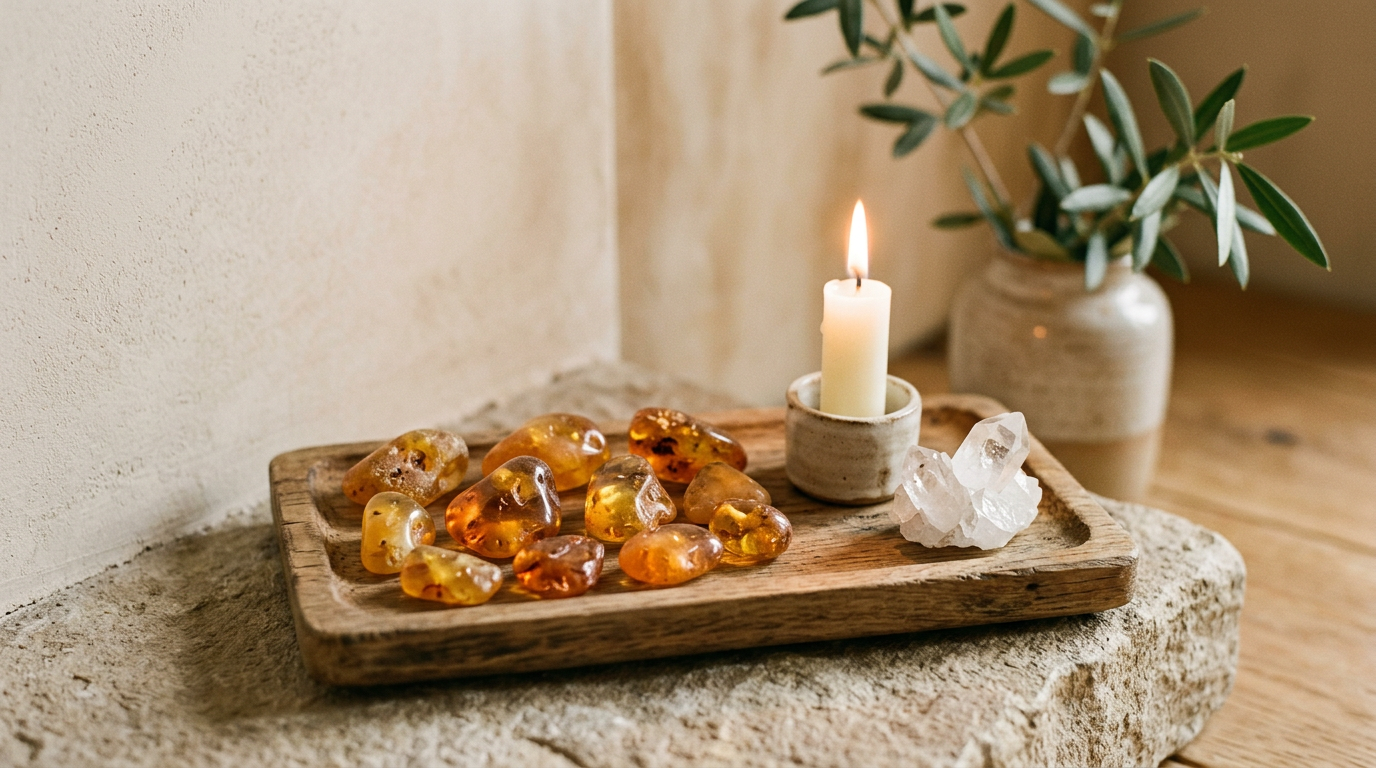
Use amber on an altar or in a crystal grid for intentions related to protection, vitality, emotional renewal, and energetic clearing.
Cleansing & Care for Amber
Amber is a soft organic gem, so gentle care helps preserve its polish, color, and natural luster. It can scratch more easily than many mineral gemstones and should be protected from heat, strong light, harsh chemicals, and rough handling.
Physical Care:
Wipe with a soft dry or slightly damp cloth. If needed, clean gently with mild soap and room-temperature water, then dry carefully.
Avoid:
Harsh chemicals, alcohol-based products, abrasive cleaners, prolonged soaking, saltwater, steam cleaners, ultrasonic cleaners, high heat, and strong sunlight.
Energetic Cleansing:
Cleanse and refresh Amber’s energy with smoke, sound, Selenite, Clear Quartz, moonlight, or a simple intention-based practice.
Amber is an organic gem formed from ancient tree resin, closely connected with fossilized natural materials and Earth-based stones. Explore related stones and organic gems that share themes of ancient forests, protection, grounding, and natural history.
Explore Related Crystals

Share this guide